Source Roller Skating Obstacle Gear for Racing, Leisure, and Slalom
Find 30 verified products for roller skating obstacle training and racing. Buyers can compare adjustable sizes, durable materials, and OEM services from Chinese manufacturers to suit kids and adults.
Key considerations
Products List








Comprehensive Sourcing Guide
Strategic Sourcing Guide for Roller Skating Obstacle Equipment
Understanding the Product Landscape and Technical Specifications
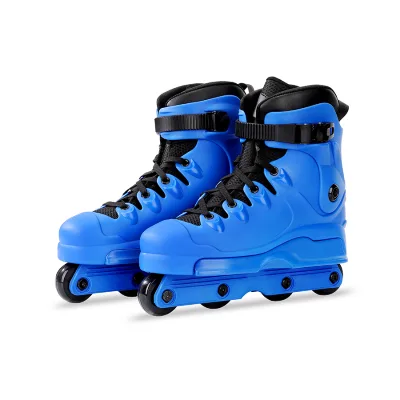
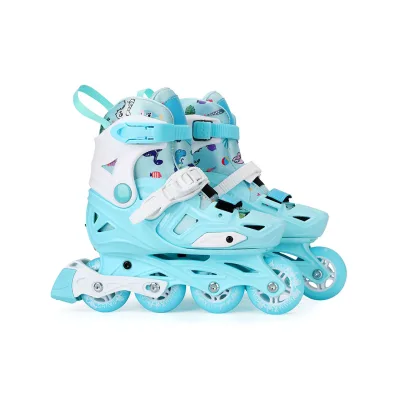
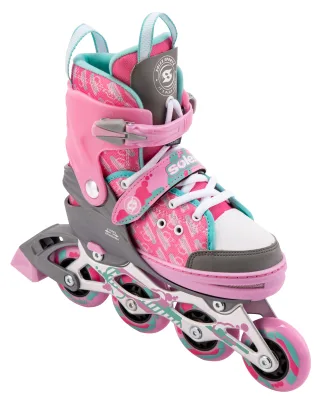
When sourcing equipment for roller skating obstacles, buyers must first distinguish between the primary skating apparatus and the specific obstacle modules. The supplied product data indicates a robust ecosystem of skating footwear and protective gear, which serves as the foundational equipment for any obstacle course application. The core products identified include inline skates and roller skates designed for diverse applications such as leisure, racing, fancy skating, and slalom. These units are critical because the performance of the skater directly influences the safety and feasibility of navigating obstacles.
The technical specifications for the skating units reveal a high degree of customization and material diversity. Materials range from synthetic leather and velvet to polypropylene (PP) shells, rubber, and fabric mesh cloth. For instance, specific models utilize a combination of rubber and fabric mesh cloth, while others employ polypropylene shells for structural integrity. The presence of ABEC-7 bearings in several listings suggests a focus on speed and smooth rolling, which is essential for obstacle courses requiring rapid transitions. The wheel materials are predominantly polyurethane (PU), available in various types including inline, speed, outdoor, and slalom-specific wheels. This variety allows buyers to select skates that match the specific surface conditions of the obstacle course, whether it be indoor smooth floors or outdoor pavement.
Size and fit are paramount in this category. The data shows a wide range of sizing options, including US sizes from 3.5 to 20 and European sizes from 36 to 45. Some products offer adjustable sizing mechanisms, which is a significant advantage for obstacle courses that may serve mixed-age groups ranging from children aged 6-8 to teenagers and adults 14+. The buckles are frequently described as metal micro-adjustable, ensuring a secure fit that prevents foot slippage during high-intensity maneuvers. The packaging typically involves color boxes, with a standard of one pair per box, which aids in inventory management and retail display.
Compliance, Certification, and Safety Standards
Safety is the non-negotiable priority when procuring equipment for roller skating obstacles. While the provided product facts do not explicitly list specific certification numbers or third-party test results, they do highlight adherence to standard sizing protocols (S, M, L) and specific model numbers like MS-JRIS407 and MS-RS004. Buyers must verify that any supplier can provide documentation confirming compliance with international safety standards for sports equipment, such as EN 13843 for roller skates or ASTM F2382 for inline skates. The absence of explicit certification data in the source material means that the procurement process must include a rigorous request for compliance documentation.
The materials used in the construction of the skates and potential obstacle components must be evaluated for durability and safety. The listings mention a wide array of materials, including aluminum, EPE, and breathable memory foam. These materials must be free from hazardous substances and meet flammability standards appropriate for sports equipment. The "Service: OEM/ODM" attribute indicates that many suppliers are capable of customizing safety features, such as adding specific impact-resistant padding or modifying wheel hardness for obstacle navigation. However, buyers should not assume that standard OEM services automatically include enhanced safety certifications; these must be explicitly requested and verified.
Furthermore, the "Feature: Adjustable, Durable" attribute suggests that the equipment is built to withstand repeated use. In the context of obstacle courses, where skaters may encounter sudden stops or impacts, the durability of the buckle systems and the structural integrity of the shell are critical. The metal micro-adjustable buckles mentioned in the data are a positive indicator, as metal generally offers superior strength compared to plastic alternatives. Nevertheless, buyers should conduct physical inspections or request third-party stress test reports to ensure that these components can withstand the dynamic loads associated with obstacle racing.
Cost Drivers and Pricing Dynamics
The pricing for roller skating equipment and associated obstacle modules varies significantly based on material composition, customization levels, and order volume. The observed price range in the market spans from $0.06 to $600 USD. This wide disparity reflects the difference between basic components, such as replacement wheels or simple accessories, and complete high-performance skating systems with advanced features like ABEC-7 bearings and custom shell designs. The lower end of the spectrum likely corresponds to basic accessories or bulk materials, while the upper end represents fully equipped, high-specification skating units suitable for professional racing or complex obstacle courses.
Order volume is a primary driver of cost. The Minimum Order Quantity (MOQ) for the skating units is listed as 100 pairs, though some listings indicate an MOQ range of 1 to 1000 units. This flexibility allows buyers to scale their procurement based on project needs. For large-scale obstacle course installations, negotiating a lower unit price through higher volume orders is a standard strategy. The "Service: OEM/ODM" capability further influences cost, as custom branding, specific color schemes (such as Black-Yellow, Black-Blue, or Pink), and tailored material combinations will incur additional setup and production costs compared to standard off-the-shelf products.
Lead times also play a crucial role in the total cost of ownership. The data specifies a delivery time of approximately 10 days for certain items, but this can vary based on the complexity of the customization and the supplier's current capacity. Buyers should factor in potential delays due to material sourcing, especially for specialized components like specific wheel types or custom shell molds. The "Place of Origin" being listed as China, specifically Zhejiang and Guangdong, suggests that logistics and shipping costs will be a significant component of the final price, particularly for heavy items like complete skating units.
Typical Applications and Usage Scenarios
The versatility of the available skating equipment makes it suitable for a broad spectrum of applications, from recreational leisure to professional racing and competitive slalom. The "Usage" attributes explicitly mention Leisure, Fancy, Racing, and Slalom, indicating that the equipment can be adapted for various obstacle course themes. For instance, "flashing roller skates" and "racing skate" models are ideal for high-energy obstacle races that require speed and visual appeal. The "Application" field further expands on this, listing Outdoor Sports, Kids, Adults, and Child, which confirms that the equipment can serve mixed-age groups in public parks, indoor arenas, or private training facilities.
The specific wheel types available, such as "indoor wheel," "jam skate wheel," and "speed wheel," allow for precise matching to the obstacle surface. Indoor obstacle courses may require softer wheels to prevent slipping on polished floors, while outdoor courses might necessitate harder, larger wheels for better shock absorption and traction. The "Season" attribute, covering Winter, Summer, Spring, and Autumn, suggests that the equipment is designed for year-round use, provided the obstacle course environment is controlled or the skates are appropriately insulated.
For obstacle course designers, the ability to customize the skates is a significant advantage. The "Customization: Available" and "Customized: Customized" attributes imply that buyers can request specific color combinations or branding to match the theme of the obstacle course. This is particularly useful for commercial operators who wish to create a unique brand identity. Additionally, the "Gender: Unisex" designation ensures that the equipment can be used by all participants without the need for separate inventory streams, simplifying logistics and reducing costs.
Supplier Evaluation and Sourcing Strategy
Evaluating suppliers for roller skating obstacle equipment requires a multi-faceted approach that goes beyond price comparison. The presence of OEM/ODM services suggests that many suppliers are manufacturers with direct control over the production process. Buyers should prioritize suppliers who can demonstrate a clear supply chain for the raw materials listed, such as polypropylene, PU, and various fabrics. The specific model numbers provided, such as MS-JRIS407 and MS-S803, serve as reference points for verifying product consistency and availability.
Geographic location is another critical factor. The "Place of Origin" is listed as China, with specific mentions of Zhejiang and Guangdong. These regions are known for their manufacturing capabilities in sports equipment, but buyers should verify the specific factory locations to ensure quality control and logistical efficiency. The "Delivery Time" of 10 days is a benchmark, but buyers should confirm if this applies to standard orders or if customizations will extend the timeline.
When selecting a supplier, buyers should request samples to verify the quality of materials like the "Mesh Lining" and "Metal Micro-Adjustable Buckles." The ability to produce "Color Box" packaging is also a standard requirement for retail-ready products, and suppliers should be able to demonstrate their packaging capabilities. Additionally, the "Selling Units: Single item" attribute indicates that suppliers are flexible with order quantities, which is beneficial for testing the market or fulfilling small-scale projects.
Quality Control and Long-Term Procurement Considerations
Maintaining high quality standards is essential for the longevity and safety of roller skating obstacle equipment. The "Feature: Durable" attribute is a key selling point, but buyers must implement a robust quality control (QC) process to ensure that this durability is consistent across all units. This includes inspecting the "Shell Material" for structural integrity, checking the "Bearing" quality for smooth operation, and verifying the "Wheel Material" for wear resistance. Regular testing of the "Buckle" mechanisms is also necessary to ensure they remain secure after repeated adjustments.
Long-term procurement considerations involve establishing a relationship with suppliers who can provide consistent quality over time. The "Service: OEM/ODM" capability suggests that suppliers can adapt to changing needs, such as updating models or incorporating new safety features. Buyers should negotiate contracts that include provisions for quality assurance, such as third-party inspection services before shipment. The "Package: Color Box" and "prod_packing: 1pair/Color Box" details indicate that packaging is a standard part of the product, but buyers should ensure that the packaging is robust enough to protect the skates during transit and storage.
Finally, buyers should consider the lifecycle of the equipment. The "Age Group" range from children to adults implies that the equipment will be subjected to varying levels of stress. Regular maintenance schedules should be established to inspect and replace worn components, such as wheels or bearings. By focusing on these long-term considerations, buyers can ensure that their roller skating obstacle courses remain safe, functional, and profitable for years to come. The ability to source customizable and durable equipment from reputable suppliers in China provides a strong foundation for building a successful and safe skating environment.
FAQs
What customization options are available for roller skating obstacle equipment?
Customization is available for these skating units, allowing buyers to specify colors like pink, black-yellow, or black-blue. Suppliers offer OEM and ODM services to tailor materials such as synthetic leather or rubber mesh cloth to specific project needs.
Which materials are used to construct durable roller skating obstacle gear?
Materials include polypropylene shells, rubber, fabric mesh cloth, and synthetic leather. Some models feature metal micro-adjustable buckles and ABEC-7 bearings to ensure durability and smooth performance during obstacle navigation.
Can these skates be used for both children and adults in obstacle courses?
Yes, the equipment is unisex and suitable for children aged 6-8, 8-12, and adults 14 and older. Adjustable sizes ranging from US 3.5 to 20 allow a single product line to serve mixed-age groups effectively.
How long is the delivery time for custom roller skating obstacle orders?
The standard delivery time is approximately 10 days for certain items. This timeline may vary depending on the complexity of customization and the specific supplier capacity in Zhejiang or Guangdong, China.
What is the minimum order quantity for purchasing these skating units?
The typical minimum order quantity is 100 pairs, though some listings indicate a range from 1 to 1000 units. This flexibility allows buyers to scale orders based on their specific obstacle course project requirements.
Which wheel types are suitable for different obstacle course surfaces?
Available wheel types include inline, speed, outdoor, slalom, and indoor wheels made of polyurethane. Buyers can select specific wheel hardness and type to match the surface conditions of their obstacle course.